
























Global Smartphone Manufacturers Raise Prices in 2026: Challenges and Opportunities for Mobile Phone Wholesalers
In 2026, the global smartphone industry is entering a new pricing cycle as many major manufacturers begin to raise their device prices. Industry analysts note that rising production costs, supply chain adjustments, and the growing demand for advanced technologies are pushing smartphone brands to adjust their pricing strategies. While this trend presents certain challenges for distributors and wholesalers, it also opens up new opportunities in the global market.

One of the primary reasons behind the price increases is the rising cost of key components. Memory chips such as DRAM and NAND flash have experienced notable price increases due to strong demand from artificial intelligence infrastructure and data centers. As these components are essential for modern smartphones, manufacturers are facing higher production costs. In addition, processors, camera modules, and display panels have also become more expensive as technology continues to evolve.
Another important factor is the rapid integration of artificial intelligence features into smartphones. New devices increasingly include on-device AI assistants, advanced photography algorithms, and enhanced performance capabilities. These innovations require more powerful chipsets, larger memory capacities, and more sophisticated hardware architectures, which inevitably raise the overall manufacturing cost of smartphones.
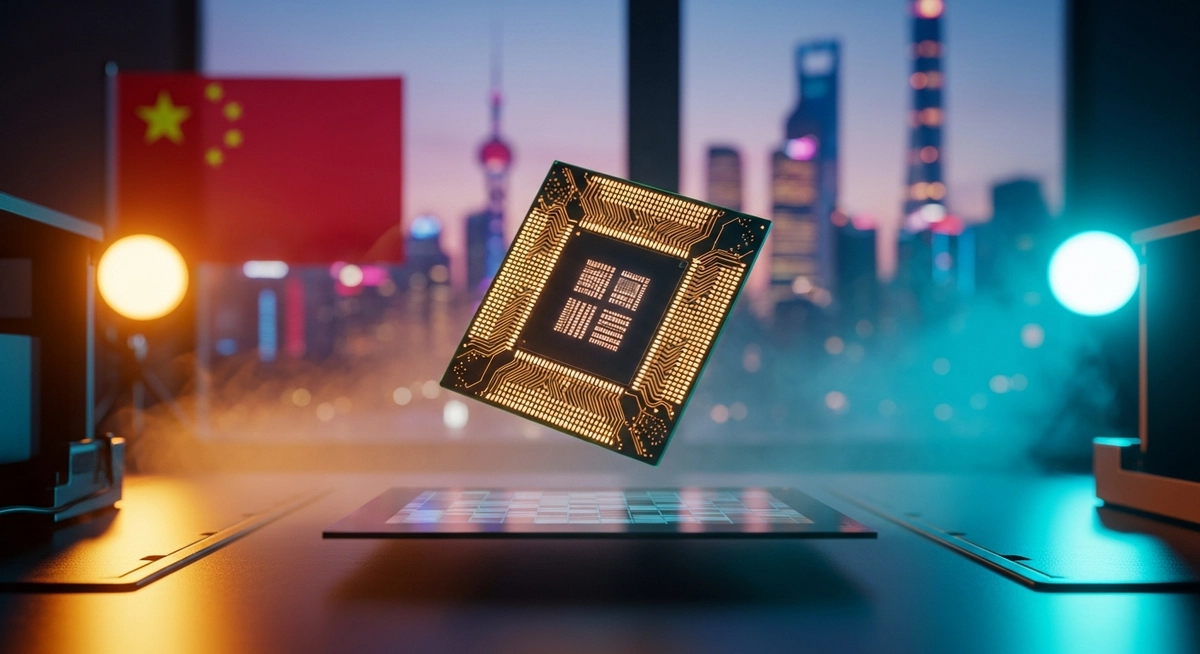
Global supply chain restructuring is also contributing to the pricing adjustments. In recent years, many electronics manufacturers have diversified their production bases to improve supply chain resilience. While this strategy reduces dependency on a single manufacturing region, it can also increase operational and logistics costs. Currency fluctuations, transportation expenses, and regional trade policies further influence the final pricing of devices.
For mobile phone wholesalers and distributors, rising prices bring several operational challenges. Higher procurement costs may require greater working capital, and price-sensitive markets—particularly in regions such as Latin America, Africa, and Southeast Asia—may experience slower short-term demand. Wholesalers must therefore manage inventory carefully and stay informed about product positioning, configurations, and regional market demand.

However, a price increase cycle can also create significant opportunities for experienced distributors. When supply becomes tighter and manufacturers focus more on profitability, reliable wholesale partners play a more critical role in market distribution. Companies with stable supply channels, competitive pricing, and strong international networks may benefit from higher margins and increased demand from regional retailers.
Overall, the upward adjustment in smartphone prices in 2026 reflects broader structural changes in the global technology industry. For wholesalers and distributors, success will depend on maintaining strong supplier relationships, adapting to market shifts, and identifying high-demand products across different regions. Those who can respond quickly to these changes will be well positioned to thrive in the evolving smartphone market.