




















Global Memory-Chip Shortage Pushes Smartphone Prices Higher
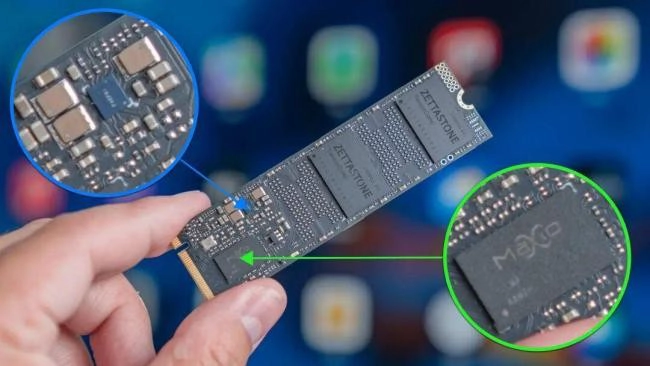
In the wake of booming demand for artificial-intelligence infrastructure and data-center expansion, the global memory-chip market has entered a severe supply crunch — and the effects are rippling all the way down to consumer smartphones. According to recent reports, memory chips such as DRAM and NAND used in phones and laptops have seen dramatic price hikes, leading many phone makers to reconsider their production costs and retail pricing.
Why chips are scarce: AI demand eats up capacity
The root cause of the shortage lies in a structural shift in chip manufacturing: as firms rush to build AI data centers and high-performance servers, chipmakers are reallocating production capacity away from consumer-grade memory and toward high-bandwidth, server-oriented memory modules. In short — smartphone memory chips are losing priority in light of the more profitable AI market segment.
This shift has already led to sharp increases in key memory-chip contract prices: for example, some chip-makers have raised memory-chip prices by up to 60% compared with a few months ago, putting considerable cost pressure on device manufacturers.
How much the cost has increased — and how it affects phones
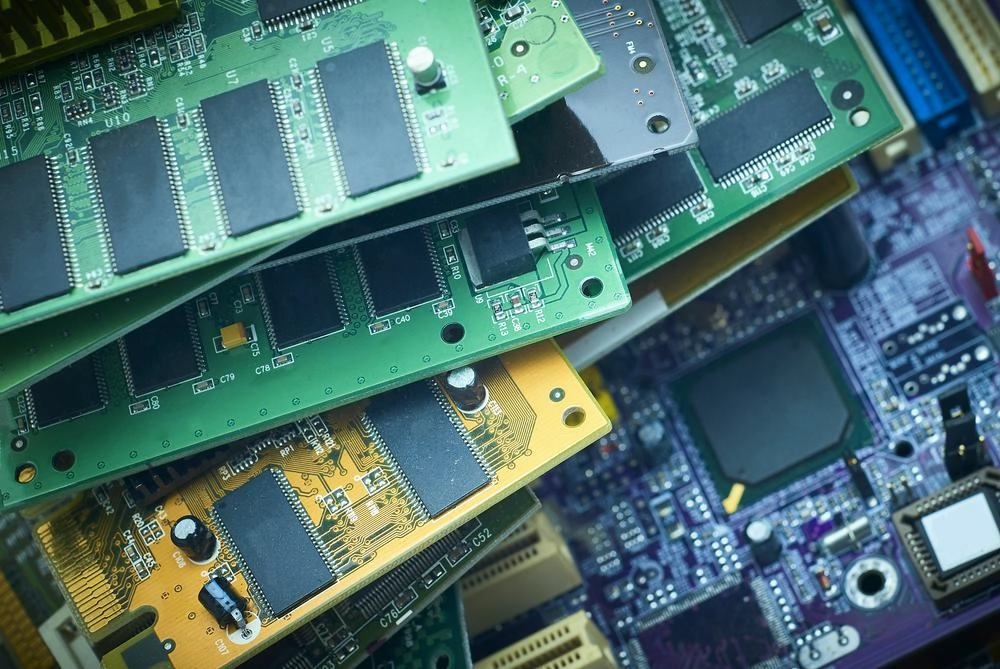
Data from industry observers show that since mid-2025, prices for mainstream DRAM modules used in phones have climbed steeply. In many cases, memory component costs have effectively doubled or more, compared with earlier in the year.
Because memory chips constitute a significant portion of a smartphone’s bill of materials (BOM), this surge translates directly into higher production costs for phone vendors. According to one estimate, the rise in memory-chip prices alone could raise smartphone manufacturing costs by around 8–10%.
As a result, some manufacturers have already adjusted their pricing: mid-range and flagship models are seeing noticeable price increases, and even budget phones are being hit — some with reduced storage or memory configurations to keep costs manageable.
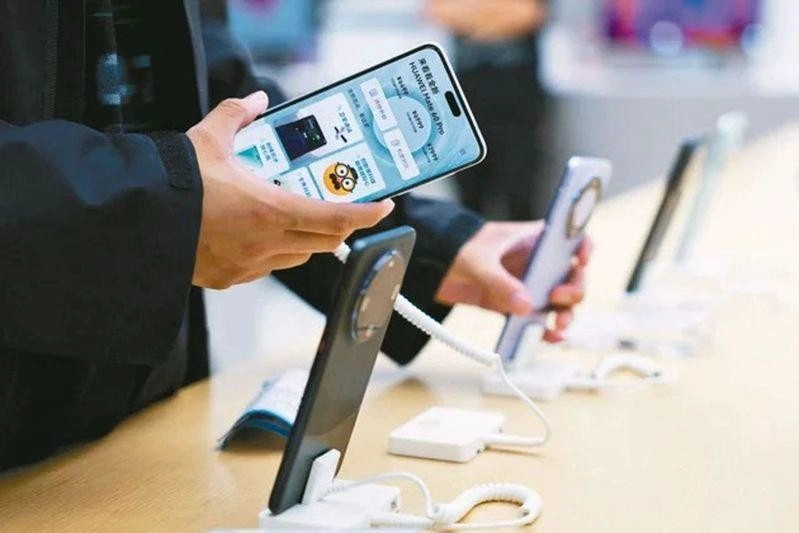
Industry warnings: 2026 could bring more price hikes
Industry watchers are sounding the alarm: since the memory shortage seems likely to continue for years, many expect smartphones will be pricier in 2026 than today.
One major phone manufacturer has already publicly warned that the cost pressures from memory shortages will force price increases across its product lines.
The phenomenon isn’t limited to smartphones — PCs, laptops, and other electronic devices that rely heavily on DRAM and NAND memory are also facing similar challenges.

What this means for consumers and the smartphone market
For consumers, the immediate effect is a higher price tag on new smartphones — particularly mid-range and budget models that are most sensitive to memory-cost fluctuations. Customers may see fewer storage options offered for the same base price, or see base memory/storage reduced.
From a market perspective, the shortage may also slow down overall smartphone shipments. Some analysts predict that with prices rising, demand could soften — especially among cost-conscious buyers — which could reshape the competitive landscape. Indeed, recent forecasts suggest a potential dip in global phone shipments in 2026 as memory-price pressures bite.
At the same time, some buyers may start delaying upgrades, while used and refurbished devices may become more attractive — at least until supply stabilizes or component prices fall.